
If you’re tired of paying sky-high cable bills while watching the same old channels, you’re not alone. In 2026, more people than ever are switching to an IPTV Service to get exactly what they want to watch, when they want to watch it. But what exactly is IPTV, and why has it become such a game-changer?
Here’s the thing: IPTV Service stands for Internet Protocol Television Service, which means you’re getting your TV content through your internet connection rather than through traditional cable or satellite. It’s like streaming services, but on steroids—giving you access to live TV, on-demand content, and sometimes thousands of channels from around the world.
What Makes an IPTV Service Different in 2026?
You might be wondering what sets IPTV apart from your Netflix subscription or Hulu account. The answer’s actually pretty straightforward. While those platforms focus on on-demand content, a quality IPTV Service gives you the full package—live TV, sports, international channels, and on-demand content all rolled into one.
Think of it this way: instead of juggling five different subscriptions to catch your favorite sports team, watch international news, and keep up with your favorite shows, you’re getting everything through one service. That’s the beauty of modern IPTV technology, and it’s why the market has exploded over the past couple of years.
According to industry data, IPTV adoption has grown exponentially as internet speeds have improved and people have gotten more comfortable with streaming technology. It’s not just a trend—it’s becoming the new standard.
How Does IPTV Service Actually Work?
Let’s break down the technical stuff without making your eyes glaze over. An IPTV Service delivers television content using the same internet protocol that powers your web browsing and email. Instead of receiving programs through traditional broadcast signals or cable formats, everything comes through your internet connection in digital packets.
Here’s what happens behind the scenes:
- Content providers send their programming to the IPTV server infrastructure
- Your IPTV Service processes and stores this content on powerful servers
- When you select a channel or show, the server streams it directly to your device
- Your internet connection handles the delivery, just like it does with YouTube or any streaming platform
- You watch on your smart TV, phone, tablet, or computer—whatever works for you
The best part? You’re not locked into watching on one device in one room. Most IPTV Service providers let you watch on multiple devices, meaning you can start a show in the living room and finish it on your tablet in bed.
Key Features to Look for in an IPTV Service
Not all IPTV services are created equal, and that’s putting it mildly. I’ve seen people jump into the first service they find, only to deal with constant buffering, missing channels, or sketchy customer support. Don’t be that person.
Channel Selection and Quality
First things first: check out the channels list. A solid IPTV Service in 2026 should offer HD or 4K quality for most channels, not grainy footage that looks like it’s from the early 2000s. You want crisp picture quality, especially if you’re watching sports or movies.
What surprises most people is the sheer variety available. We’re talking sports packages from multiple countries, international news channels, entertainment from around the globe, and niche content you’d never find on traditional cable.
Reliability and Uptime
Here’s where the rubber meets the road. Your IPTV Service needs to actually work when you want to watch something. Look for providers with:
- 99% uptime guarantees
- Multiple server locations for redundancy
- Anti-freeze technology to prevent buffering
- Regular maintenance windows that don’t disrupt prime viewing hours
Device Compatibility
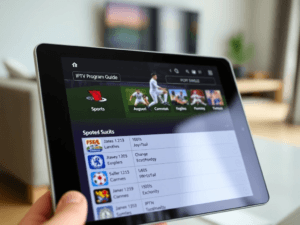
Your service should work on everything you own. Smart TVs, Android boxes, Fire Sticks, iPhones, iPads, Android phones, tablets, and computers—all of it. The more flexible your IPTV Service is, the better your experience will be.
IPTV Service Pricing: What You Should Expect to Pay
Let’s talk money. One of the biggest draws of switching to an IPTV Service is the cost savings compared to traditional cable. But prices vary wildly depending on what you’re getting.
| Service Tier | Typical Monthly Cost | What You Get |
|---|---|---|
| Basic Package | $10-$20 | Essential channels, SD/HD quality |
| Standard Package | $20-$40 | More channels, HD quality, multiple devices |
| Premium Package | $40-$70 | All channels, 4K quality, unlimited devices, premium support |
Want to see exactly what you’d pay? Check out our rates to compare different packages and find what fits your budget. The sweet spot for most people is the standard package, which gives you plenty of content without breaking the bank.
Setting Up Your IPTV Service: Easier Than You Think
You don’t need to be a tech wizard to get started with IPTV. Most services have made the setup process incredibly simple in 2026. Here’s how it typically goes:


- Choose your IPTV Service provider and subscription plan
- Receive your login credentials via email
- Download the app on your preferred device (or use a web browser)
- Enter your credentials and start watching
- Customize your channel favorites and settings
The whole process usually takes less than 10 minutes. Seriously. If you can install an app on your phone, you can set up IPTV.
Legal Considerations and Choosing Legitimate Providers
Let’s address the elephant in the room. Not all IPTV services operate legally, and you need to be careful. A legitimate IPTV Service will have proper licensing agreements with content providers and won’t promise you everything under the sun for $5 a month.
Red flags to watch for include:
- Prices that seem too good to be true (they usually are)
- Providers who won’t disclose their business information
- Services that constantly change domains or payment methods
- No customer support or sketchy communication channels
Stick with established providers who operate transparently. It might cost a bit more, but you’ll sleep better knowing you’re not risking legal trouble or getting scammed.
The Benefits of Switching to IPTV Service This Year
Why are so many people making the switch in 2026? The benefits are pretty compelling when you line them all up.
Cost Savings
The average cable bill in 2026 hovers around $120 per month. Compare that to most IPTV Service options, which range from $20-$70, and you’re looking at potential savings of $600-$1,200 per year. That’s a nice vacation fund right there.
Flexibility and Freedom
You’re not tied to your living room anymore. Watch on your phone during your commute, on your tablet in the backyard, or on your smart TV at home. Your content follows you wherever you go, as long as you’ve got an internet connection.
Content Variety
Cable packages force you into predetermined channel bundles. An IPTV Service often gives you access to international content, niche channels, and specialized programming you’d never get otherwise. Sports fans particularly love this—no more missing games because your cable package doesn’t include the right regional sports network.
Common Issues and How to Solve Them
Every technology has its hiccups, and IPTV is no exception. But most problems have simple solutions.
Buffering Problems
If your stream keeps pausing, check your internet speed first. You’ll need at least 10 Mbps for HD content and 25 Mbps for 4K. If your speed’s fine, try connecting via ethernet instead of WiFi, or restart your router. These simple fixes solve about 90% of buffering issues.
Channel Not Loading
Sometimes a specific channel won’t load while others work fine. This usually means the provider’s updating that channel’s source. Give it 15-30 minutes and try again. If it persists, contact customer support.
Picture Quality Issues
If the picture looks pixelated or unclear, check if you’re streaming in the highest quality setting available. Many IPTV Service apps automatically adjust quality based on your connection, but you can often manually select a higher quality in the settings.
Making the Most of Your IPTV Service
Once you’re up and running, here are some tips to enhance your experience. Create favorite lists for channels you watch regularly—this saves you from scrolling through hundreds of options every time. Set up parental controls if you’ve got kids in the house. And explore the on-demand library; you might discover content you didn’t even know existed.
Many services also offer electronic program guides (EPGs) that show you what’s coming up over the next week. Use these to plan your viewing and set reminders for shows you don’t want to miss.
Is IPTV Service Right for You?
Here’s my honest take: if you’re paying for cable and you’re comfortable with streaming technology, switching to an IPTV Service makes a ton of sense in 2026. You’ll save money, get more content options, and enjoy the flexibility to watch on any device.
The technology has matured to the point where reliability isn’t really a concern anymore—at least not with reputable providers. Picture quality often matches or exceeds what you’re getting from cable, and the convenience factor is hard to beat.
That said, you do need a solid internet connection. If you’re in an area with spotty internet service, you might want to stick with traditional TV for now. And if you’re not comfortable with technology at all, there might be a learning curve (though it’s pretty minimal these days).
The bottom line? IPTV Service has come of age, and it’s worth serious consideration for anyone looking to cut costs without sacrificing their viewing experience. Take a look at what’s available, maybe try a short-term subscription to test it out, and see if it fits your lifestyle. Chances are, you’ll wonder why you didn’t make the switch sooner.